
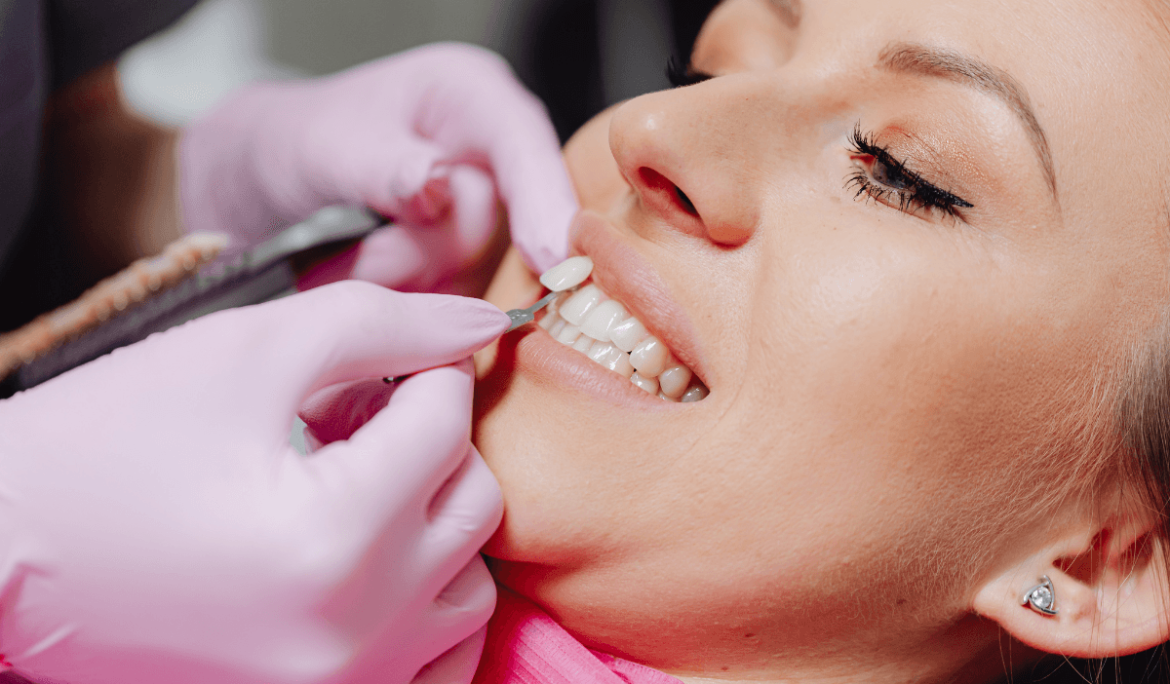
Dental veneers can transform chipped, stained, uneven or worn teeth into a more balanced and natural-looking smile. However, they are a long-term commitment, so it is important to understand the options, costs and considerations before proceeding.
Before recommending veneers, your dentist should carefully assess your teeth, gums, bite and overall oral health. They should also talk openly with you about the options, expected results, limitations and full costs involved.
What are dental veneers?
Veneers are thin shells made from porcelain or composite resin that are bonded to the front surface of the teeth. They can be used to change the colour, shape, size and appearance of selected teeth.
Veneers may be considered for teeth that are:
- Chipped, cracked or worn down
- Discoloured or heavily stained
- Uneven or irregularly shaped
- Slightly misaligned
- Separated by unwanted gaps
- Affected by large or noticeable fillings
Although veneers can sometimes make teeth appear straighter, they are not always an alternative to orthodontic treatment. Your dentist will assess whether veneers, braces, clear aligners, whitening or another treatment would be more appropriate.
Who is a good candidate for veneers?
You may be a suitable candidate if your teeth and gums are generally healthy and you have realistic expectations about what veneers can achieve.
Any active dental problems, such as tooth decay or gum disease, will usually need to be treated first. Veneers may also be unsuitable for teeth that are severely weakened or do not have enough healthy enamel to support them.
If you grind or clench your teeth, veneers may still be possible, but they can be more vulnerable to chipping or breaking. You may need to commit to wearing a protective night guard or splint while sleeping.
What is the difference between resin and porcelain veneers?
Resin veneers
Resin veneers are created by applying tooth-coloured composite resin directly to the teeth and carefully shaping and polishing it.
They are generally the more affordable option and can often be completed in a single appointment. Resin veneers are also conservative, usually requiring very minimal or no removal of the natural tooth structure.
Modern composite materials can produce a natural-looking improvement in colour and shape. However, resin is more likely to stain, chip or wear over time than porcelain. With good care, resin veneers may last up to around 7- 10 years, although longevity varies.
Porcelain veneers
Porcelain veneers are individually made in a dental laboratory before being bonded to the teeth. Porcelain can closely mimic the colour variation and translucency of natural enamel and is more resistant to staining than resin.
A small amount of enamel needs to be removed to create space for the veneer, therefore making the treatment irreversible. The process also generally requires more than one appointment.
With appropriate care, porcelain veneers may last up to 10 to 15 years before they need to be replaced.
What does the veneer process involve?
The first step is a detailed consultation. Your dentist will examine your teeth, gums and bite, discuss what you would like to change and explain whether veneers are suitable.
Planning may involve photographs, scans, X-rays or a preview of the proposed result. This is also an opportunity to discuss the shape, shade and number of teeth being treated.
Resin veneers are usually applied and shaped during one appointment. Porcelain veneers typically involve preparing the teeth, taking digital scans or impressions, creating temporary veneers where required, and fitting the final veneers at a later visit.
How much do veneers cost?
The cost of veneers can vary significantly. Factors include:
- Whether you choose resin or porcelain
- The number of teeth being treated
- The complexity of your case
- The amount of preparation required
- Laboratory and material costs
- Any dental treatment needed beforehand
- Whether additional protection, such as a night guard, is recommended
Porcelain veneers generally cost more than resin veneers because of the materials, laboratory work and additional appointments involved.
Your dentist should supply you with a clear, itemised treatment plan before you decide to proceed, including the full cost and possibly also any likely future maintenance or replacement expenses.
What should you consider before getting veneers?
While dental veneers are a great option for many people looking to improve the appearance of their smile, it’s important to note that they will not last forever. They may eventually chip, wear, loosen or need replacement.
There is no special cleaning routine, but regular brushing, flossing and dental check-ups are essential. Avoiding habits such as biting fingernails, opening packaging with your teeth or chewing ice can also help protect them.
If you are considering veneers, the next step is to book a consultation. At Hampton Beach Dentists, we can assess whether veneers are a suitable option for your teeth, explain the alternatives and give you all the information you need about the process, expected results and complete cost before you make a decision.
To make a consultation appointment with one of our dentists, call us on 03 9598 5666.