
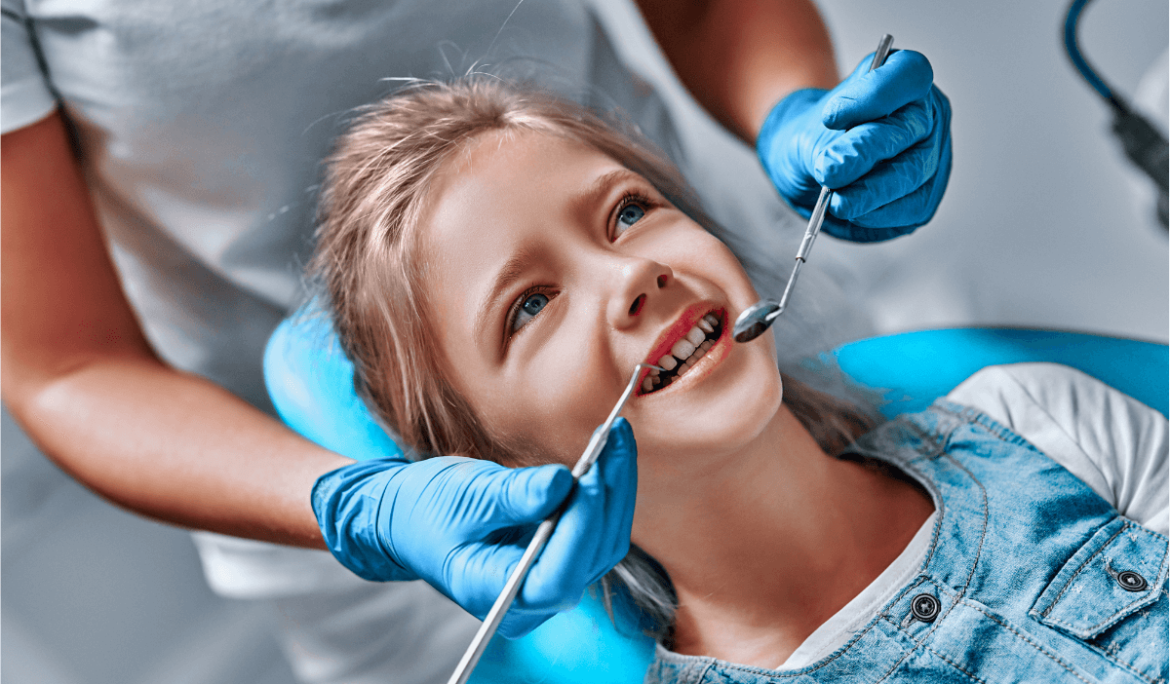
As a parent, you do everything you can to help your child develop healthy habits, from brushing their teeth twice a day to reducing their sugar intake. But sometimes, even with the best efforts, keeping those back molars healthy can be tricky. For kids with deep grooves or pits in their back teeth, food and bacteria can easily get trapped, creating the perfect environment for cavities to form. That’s when we might recommend a preventive treatment called fissure sealants (also known as dental sealants) to give your child’s teeth a little extra protection.
Fissure sealants are one of the simplest and most effective ways to protect your child’s teeth from decay. They’re quick, painless, and can save a lot of stress (and money) later on.
What are fissure sealants?
Fissure sealants are thin protective coatings applied to the chewing surfaces of the back teeth, usually the molars. Some kids have teeth with deeper grooves or pits, known as fissures, that can be difficult to clean, even with good dental hygiene habits.
The sealant material is white or clear and flows into the grooves, creating a smooth surface that acts as a barrier to stop food and bacteria from getting stuck.
Why would my child need them?
Fissure sealants are especially helpful for children who:
- Have deep grooves or pits in their molars
- Have had cavities before
- Eat a lot of snacks or sugary foods
- Find brushing challenging
Sometimes, we may also recommend fissure sealants for baby molars if there’s a higher risk of decay.
What’s the difference between sealants and fillings?
Both sealants and fillings involve applying material to the tooth, but they serve different purposes.
- Fissure sealants are preventive. They protect healthy teeth from developing decay.
- Fillings are restorative. They repair damage after decay has already occurred.
Sealants don’t require drilling or anaesthetic, while fillings usually do. Essentially, sealants help avoid the need for fillings in the first place.
How we apply fissure sealants
The process is simple, quick, and completely painless.
- We start by cleaning and drying the tooth. A special gel is applied for a few seconds to prepare the surface.
- The liquid fissure sealant is painted onto the tooth and flows into the grooves.
- A blue light is used to harden the material.
- Finally, we check your child’s bite to make sure everything feels right.
There’s no need for injections or drilling, and most children find the process very easy to tolerate.
How long do they last?
Fissure sealants can last several years, depending on how well they’re maintained and your child’s bite and chewing habits. During routine check-ups, we’ll check them to make sure they’re still intact. If any wear or chipping occurs, they can easily be repaired or replaced.
Protecting little smiles for the future
At Hampton Beach Dentists, we believe prevention is the key to lifelong oral health. Fissure sealants are a safe, cost-effective way to reduce your child’s risk of cavities and make brushing easier.
We always take a really close look at kids’ molars when performing their dental check-up, and will let you know if we think that sealants are the right choice for your child’s smile.
Has it been longer than 6 months since your child’s last dental check-up and clean? Call Hampton Beach Dentists on 03 9598 5666 to book an appointment.